
Only the Bark, Never the Heart: A Fight for the Forest
Episode 22: Only the Bark, Never the heart— Chico Mendes
This archive opens the door to the world that shaped a life spent defending what could not defend itself. Within these rooms you’ll find fragments of a struggle carried out in the open air—photographs, documents, and traces of a presence that stood firm as the forest around them was threatened. Each artifact offers a glimpse into the daily labor of protection, the quiet strategies of resistance, and the unwavering belief that a living world is worth more than the profit carved from it.
These materials do not attempt to reconstruct a myth. They reveal the texture of a life lived in vigilance: the organizing, the warnings, the alliances, the dangers that crept closer with every victory. Together, they form a record of devotion to a place whose heartbeat echoed through every choice made.
Move through these pieces slowly. Let the forest speak through what remains.
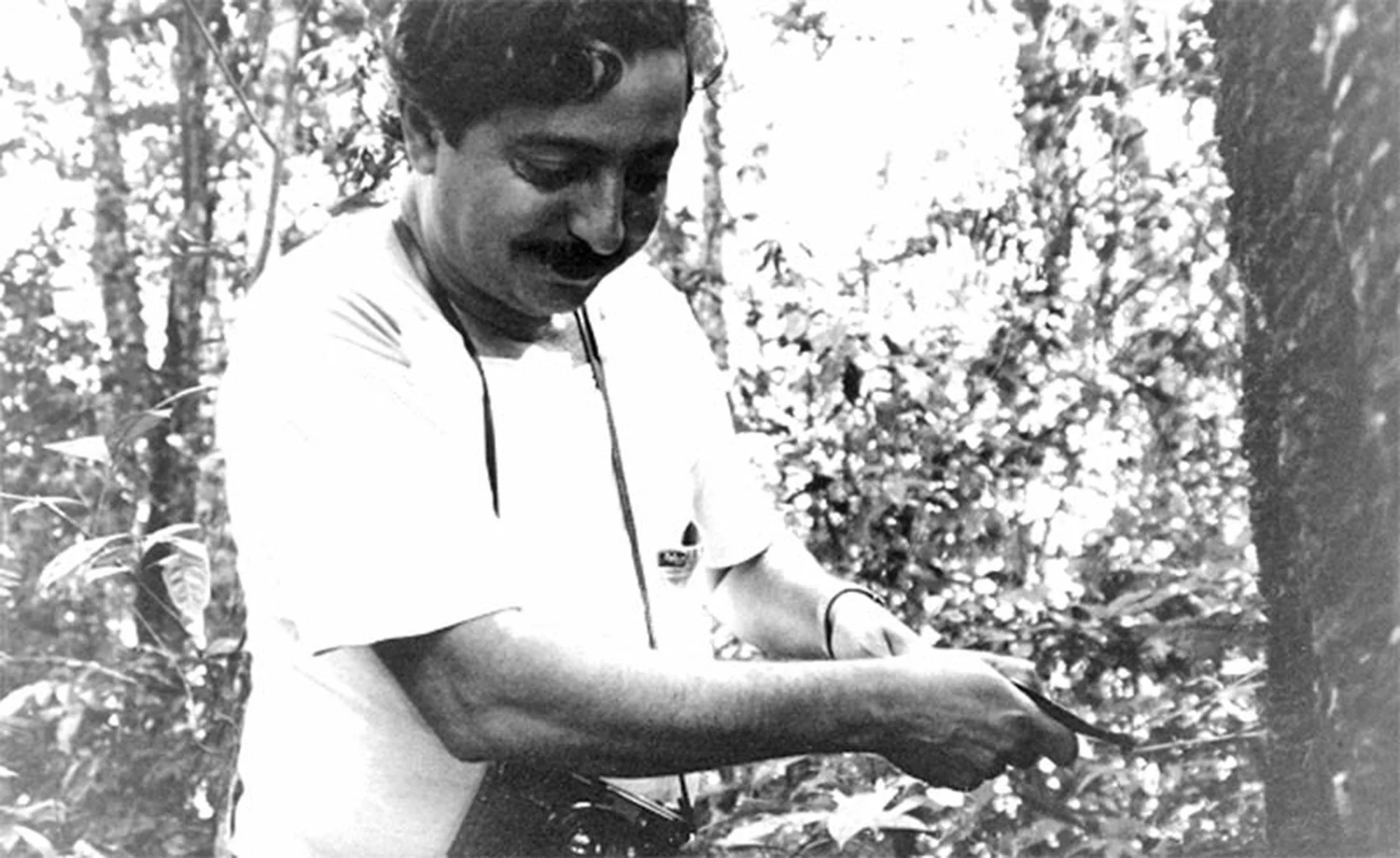
Chico Mendes was born into a family of rubber tappers in the Amazon and began working in the forest at age nine. Rubber tapping wasn’t just a livelihood—it was the foundation of his identity and the root of his activism. The practice required deep knowledge of the forest: how to cut the bark without harming the tree, how to navigate the dense terrain, and how to live sustainably within it. This daily labor shaped his understanding of the Amazon as a living community rather than a commodity.
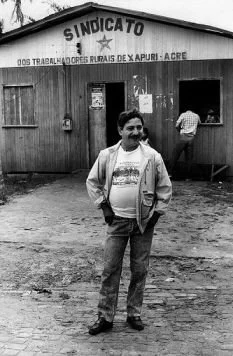
The role of The Rural Workers’ Union of Xapuri in Chico Mendes’ story
The Rural Workers’ Union of Xapuri was the center of Chico Mendes’ organizing work throughout the 1980s. From this modest wooden building, he coordinated empates—non‑violent human blockades used by rubber tappers to stop ranchers from clearing the forest. It was also where he helped workers negotiate land rights, resist displacement, and build the alliances that would eventually shape Brazil’s first extractive reserves.
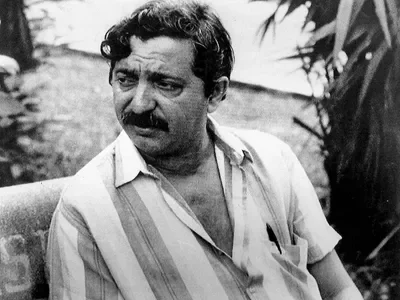
Chico understood the Amazon as a living system that sustained entire communities. Rubber tappers, farmers, and families relied on the forest not just for income, but for identity, culture, and continuity.
He saw the threats facing his neighbors: displacement by ranchers, violence from land grabbers, and the erasure of traditional ways of life. His organizing work—through unions, alliances, and non‑violent resistance—was rooted in the conviction that the forest and its people were inseparable.
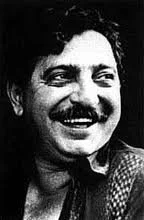
Chico Mendes (1944–1988)
Born in the forest, raised by its labor, and carried forward by the belief that a community’s future was inseparable from the land beneath its feet.
A life shaped by the forest. A courage shaped by necessity. He gave everything so others could remain rooted. His legacy endures in every acre saved.